Hello fellow educators, parents and students! In the spirit of educating children and teaching them media literacy, I am introducing three lesson plans that you may find useful in that endeavor.
Please click on the link below to see my short introduction.
https://gosynth.com/p/s/jkgnja

Children are being exposed to all sorts of media from a tender age and this is also now true in regard to digital media. Not only are life experiences and family values shaping a child’s mind but constant exposure to all forms of media can also play a role on how a child views himself or herself and others that may look different from them. The aim of this curriculum is to help young children from pre-kindergarten to assimilate and navigate this constantly fluid environment. Besides introducing and involving them to new technical innovations in their traditional classroom environment, the lesson plans in this curriculum unit will also plant the seed for them to become critical thinkers whereby they are able to disseminate, dissect and deconstruct different types of media around them. The three lesson plans will include aspects of new digital media and participatory literacies. Web 2.0 tools such as Flipgrid, Synth and YouTube will be introduced into the classroom together with traditional media like books, signs and worksheets. The children will take on roles of active participants, communicators and collaborators by direct engagement with their teachers as well as with their peers. These lesson plans will not only assist the children in their education of media literacy but will also introduce this subject matter to teachers and the parents of these children. By involving families and the teaching community as a whole will not only help close the gap among children who may be more technologically advanced but will also help level the playing field.

Rationale
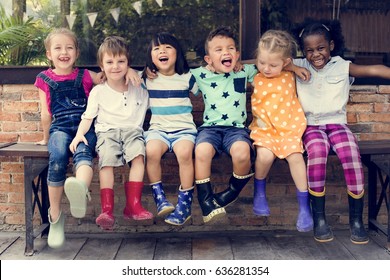
This curriculum is designed for pre-kindergarten children aged four years old at a private school. The demographic of the classroom consists of White, African American, Hispanic and a few Asian children. Most of them come from upper middle-class families. There are four other sister schools that have the same owners, so the curriculum is kept consistent amongst all the schools. So the hope is that this curriculum unit will be used within all five schools.
The first five years of a child’s young life is filled with developmental milestones. One of those milestones includes developing listening, speaking and reading skills and learning how to use these skills as a means of communication. Currently, all activities take place within the classroom environment using physical books and a DVD player (for songs). Although teachers currently use Amazon Fire tablets in the classroom, it is mostly utilized for administration duties like attendance, updating knowledge checks and keeping parents up to date on their child’s daily activities. Since many young children are already exposed to digital media in the home environment, incorporating digital books and online videos in the classroom can help build not only media literacy but digital media literacy as well. Furthermore, by incorporating Web 2.0 tools, the children will be able to learn how to interact with children from sister schools as well as children around the country and potentially around the world. Hence, the secondary goal is to expose them to other children from diverse backgrounds. One challenge that may arise during the curriculum development will include training all teachers on how to use Web 2.0 tools as some of them may not possess the knowledge and comfort level. Many of them have been teaching at the school between five to ten years and may be a little resistant in bringing educational technology into the classroom or understanding the benefits of doing so. Future challenges include organizing collaborative sessions with other classes due to the different time zones. There may be some parents who might also either not be comfortable or want their young children to be exposed to online materials. These challenges will be addressed in the curriculum as well.
Grade levels
Pre-Kindergarten
Curriculum Areas
The students will learn how to listen, read and discuss literary multicultural texts, poems, songs and oral stories. They will be participating in discussions about multicultural books and multicultural oral stories. These discussions will take place within the classroom as well as outside the classroom walls using Web 2.0 tools (Flipgrid and Synth). They will listen to a variety of stories and literature including informational texts as well as multicultural songs during music time. This will be achieved through physical books, print materials around the classroom as well as stories found online (e.g. www.freechildrenstories.com). They will be participating in a variety of literacy experiences (e.g. poems and dramatizations) and routines. The students should be able to discuss pictures and illustrations in books that are in physical form as well as in digital form. They will need to re-tell stories and recount details from informational texts. They should also be able to use print concepts. Lastly, they should be able to possess emergent reading skills.
Suggested Curriculum Frameworks
The curriculum will follow the Texas Education Agency’s (TEA) Pre-kindergarten guidelines under emergent literacy and ISTE’s (International Society for Technology in Education) standards. These will be the skills that the curriculum will follow under TEA:
Motivation to read skills:
*Child enjoys being read to and knows when a favorite story has a part left out.
*Child enjoys looking at books and telling a story from the pictures or from memory.
*Child notices environmental print and connects meaning to it.
Phonological Awareness Skills:
*Children should be engaged in listening to books, poems, nursery rhymes, and songs that feature rhyme and alliteration.
Comprehension and Text Read aloud skills:
*Child interacts with a story as it is being read aloud.
*Child interacts with books by describing what is seen/read in the book.
*Child asks and answers age appropriate questions about the book.
Print Concepts:
*Child understands that illustrations and print carry meaning.
*Child imitates actions that demonstrate that text progresses across pages.
The ISTE standards that will be focused on are:
3) Knowledge Constructor
c) Students curate information from digital resources using a variety of tools and methods to create collections of artifact that demonstrate meaningful connections or conclusions.
6) Creative Communicator
a) Students choose the appropriate platforms and tools for meeting the desired objectives of their creation or communication.
3) Global Collaborator
a) Students use digital tools to connect with learners from a variety of backgrounds and cultures, engaging with them in ways that broaden mutual understanding and learning.
 Embrace Tech Education for Children