Hello fellow educators, parents and students! In the spirit of educating children and teaching them media literacy, I am introducing three lesson plans that you may find useful in that endeavor.
Please click on the link below to see my short introduction.
Children are being exposed to all sorts of media from a tender age and this is also now true in regard to digital media. Not only are life experiences and family values shaping a child’s mind but constant exposure to all forms of media can also play a role on how a child views himself or herself and others that may look different from them. The aim of this curriculum is to help young children from pre-kindergarten to assimilate and navigate this constantly fluid environment. Besides introducing and involving them to new technical innovations in their traditional classroom environment, the lesson plans in this curriculum unit will also plant the seed for them to become critical thinkers whereby they are able to disseminate, dissect and deconstruct different types of media around them. The three lesson plans will include aspects of new digital media and participatory literacies. Web 2.0 tools such as Flipgrid, Synth and YouTube will be introduced into the classroom together with traditional media like books, signs and worksheets. The children will take on roles of active participants, communicators and collaborators by direct engagement with their teachers as well as with their peers. These lesson plans will not only assist the children in their education of media literacy but will also introduce this subject matter to teachers and the parents of these children. By involving families and the teaching community as a whole will not only help close the gap among children who may be more technologically advanced but will also help level the playing field.
Rationale
This curriculum is designed for pre-kindergarten children aged four years old at a private school. The demographic of the classroom consists of White, African American, Hispanic and a few Asian children. Most of them come from upper middle-class families. There are four other sister schools that have the same owners, so the curriculum is kept consistent amongst all the schools. So the hope is that this curriculum unit will be used within all five schools.
The first five years of a child’s young life is filled with developmental milestones. One of those milestones includes developing listening, speaking and reading skills and learning how to use these skills as a means of communication. Currently, all activities take place within the classroom environment using physical books and a DVD player (for songs). Although teachers currently use Amazon Fire tablets in the classroom, it is mostly utilized for administration duties like attendance, updating knowledge checks and keeping parents up to date on their child’s daily activities. Since many young children are already exposed to digital media in the home environment, incorporating digital books and online videos in the classroom can help build not only media literacy but digital media literacy as well. Furthermore, by incorporating Web 2.0 tools, the children will be able to learn how to interact with children from sister schools as well as children around the country and potentially around the world. Hence, the secondary goal is to expose them to other children from diverse backgrounds. One challenge that may arise during the curriculum development will include training all teachers on how to use Web 2.0 tools as some of them may not possess the knowledge and comfort level. Many of them have been teaching at the school between five to ten years and may be a little resistant in bringing educational technology into the classroom or understanding the benefits of doing so. Future challenges include organizing collaborative sessions with other classes due to the different time zones. There may be some parents who might also either not be comfortable or want their young children to be exposed to online materials. These challenges will be addressed in the curriculum as well.
Grade levels
Pre-Kindergarten
Curriculum Areas
The students will learn how to listen, read and discuss literary multicultural texts, poems, songs and oral stories. They will be participating in discussions about multicultural books and multicultural oral stories. These discussions will take place within the classroom as well as outside the classroom walls using Web 2.0 tools (Flipgrid and Synth). They will listen to a variety of stories and literature including informational texts as well as multicultural songs during music time. This will be achieved through physical books, print materials around the classroom as well as stories found online (e.g. www.freechildrenstories.com). They will be participating in a variety of literacy experiences (e.g. poems and dramatizations) and routines. The students should be able to discuss pictures and illustrations in books that are in physical form as well as in digital form. They will need to re-tell stories and recount details from informational texts. They should also be able to use print concepts. Lastly, they should be able to possess emergent reading skills.
Suggested Curriculum Frameworks
The curriculum will follow the Texas Education
Agency’s (TEA) Pre-kindergarten guidelines under emergent literacy and ISTE’s
(International Society for Technology in Education) standards. These will be
the skills that the curriculum will follow under TEA:
Motivation to read skills:
*Child enjoys being read
to and knows when a favorite story has a part left out.
*Child enjoys looking at
books and telling a story from the pictures or from memory.
*Child notices
environmental print and connects meaning to it.
Phonological Awareness Skills:
*Children should be
engaged in listening to books, poems, nursery rhymes, and songs that feature
rhyme and alliteration.
Comprehension and Text Read aloud skills:
*Child interacts with a
story as it is being read aloud.
*Child interacts with
books by describing what is seen/read in the book.
*Child asks and answers
age appropriate questions about the book.
Print Concepts:
*Child understands that
illustrations and print carry meaning.
*Child imitates actions
that demonstrate that text progresses across pages.
The ISTE standards that
will be focused on are:
3) Knowledge Constructor
c) Students curate information from digital resources using a variety of tools and methods to create collections of artifact that demonstrate meaningful connections or conclusions.
6) Creative Communicator
a) Students choose the appropriate
platforms and tools for meeting the desired objectives
of their creation or communication.
3) Global Collaborator
a) Students use digital tools to connect with learners from a variety of backgrounds and cultures, engaging with them in ways that broaden mutual understanding and learning.
Scheibe, C., & Rogow, F. (2012). The teacher’s guide to media literacy: Critical thinking in a multimedia world. Thousand Oaks: CA. Corwin.
Szeto, E., Cheng, A.Y., & Hong, J. (2015). Learning with social media: how do preservice teachers integrate YouTube and social media in teaching? The Asia-Pacific Education Researcher, 25(1), 35-44.
Storytime For Kids. (2017, September 19). Tough trucks-by Tony Mitton and Ant Parker- a children’s book about trucks-read in English ESL [Video]. Retrieved from
Sullivan, A. (2013, July 11). Cars, trucks and transportation sounds for kids-learn-school-
Vygotsky, L.S., John-Steiner, V., Cole, M., Scribner, S., Souberman, E. (Eds.). (1978). Mind in society: Development of higher psychological processes. Cambridge, MA: Harvard University Press.
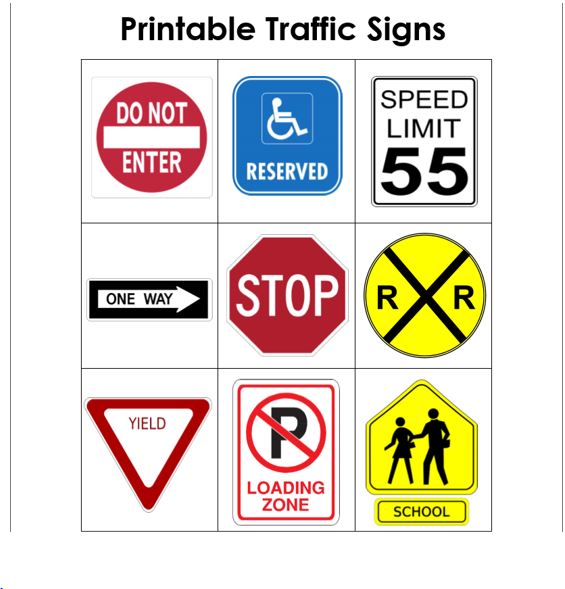
This lesson plan will introduce various types of vehicles and what they are used for. Their shapes and sounds that they make will be discussed as well. The children will also identify which vehicles are typically used to transport people. The plan will connect to other environmental print that they encounter when they are travelling. The goal is to have the children connect the signs they see on roads and streets and be able to interpret and decipher them. Lastly, by allowing the students to record themselves on Gosynth, this will turn students from passive to active learners thus engaging them in “technology-enhanced participatory instruction” (Szeto et al., 2015, p. 41).
Curriculum Areas
Language and Literacy
Suggested Frameworks
TEA
(Texas Education Agency) State Standards:
Motivation
to read skills:
*Child
notices environmental print and connects meaning to it.
Print
Concepts:
*Child
understands that illustrations and print carry meaning.
*Child
imitates actions that demonstrate that text progresses across pages.
ISTE Standards:
3) Knowledge Constructor
c) Students curate information from digital resources using
a variety of tools and methods to create
collections of artifact that demonstrate meaningful connections or conclusions.
6) Creative Communicator
a) Students choose the appropriate platforms and tools for meeting the desired objectives of their creation or communication.
Learning Objectives
Students
will be able to:
Name the various types of vehicles
Identify which types of vehicles are used to transport
people
Identify and demonstrate the types of sound each
vehicle makes
The teacher will ensure the video for Cars, Trucks and Transportation sounds for Kids – learn school – preschool – kindergarten https://www.youtube.com/watch?v=4X0pp9MF68s is ready to be played on the computer (see Appendix K)
Make sure Gosynth is ready for use to record the voices of the children
Print and cut all the materials for the road signs (see Appendix L)
Time Needed
40 minutes
Material and Equipment
Pencils/Crayons
Drawing Paper
Homework worksheet to draw signs around the home (see Appendix M)
Cut out of road signs
Tablet to play YouTube video Tough Trucks-By Tony Mitton and Ant Parker-A children’s book about trucks-Read in English ESL
Video for Cars, Trucks and Transportation sounds for kids-learn school-preschool-kindergarten to be played on the computer
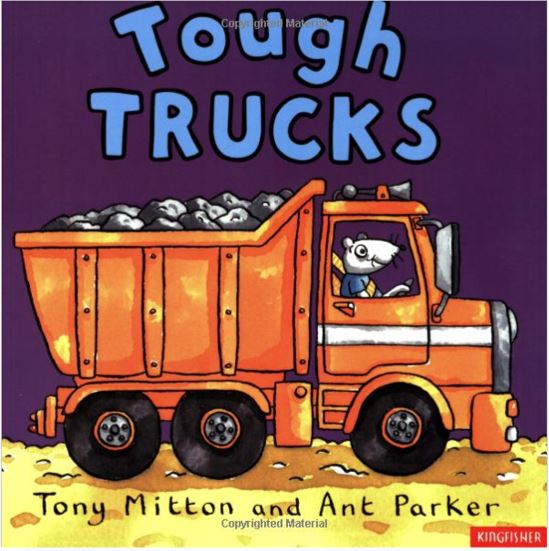
Book: Tough Trucks by Tony Mitton and Ant Parker
General Step-by-Step Procedure
Gather the children around the reading mat and have them sit down. Tell the word ‘vehicle’ and ask the children what it means. Ask them to put their hands up when they want to speak.
Introduce the book Tough Trucks to the children and ask them what type of vehicle they see on the cover and what it is used for.
Read the book and stop at the vocabulary words to explain what they mean.
After reading the book ask them which truck they liked the most.
Recap what each truck does e.g. garbage truck picks up garbage etc.
Play the video for Cars, Trucks and Transportation sounds for Kids – learn school – preschool – kindergarten. Pause every time the curtain closes and have the children guess what vehicle the sound relates to. Make sure to give each child an opportunity to take a guess.
Let the children pretend they are a vehicle and record the sound they make using Gosynth and play it back to them. Since it is an easy web tool to use, allow each child to press the ‘Start’ button and re-play (big red button) and re-record if necessary.
Ask the children if they know what the word ‘signs’ means. Explain the word and ask them to look around the classroom to locate any signs (they should point to the ‘Exit’, ‘Enter’, ‘No Running’, the school emblem, etc.).
Show them the cut outs of the various roads signs and explain to them what each one means.
Ask the children if they have seen any of the signs before and where it was that they saw them.
Have the children go back to the writing centers and provide them with copies of the road signs and ask them to name and draw the shapes that are familiar to them.
Assessment
Formative assessments
Assist the children that
are having a difficult time recalling the various vehicles and trucks. Reinforce
shapes at the learning centers for those who cannot remember them.
Summative assessments
Provide worksheets for children to take home to draw signs they see around the house and review with them when they return the homework on Friday.
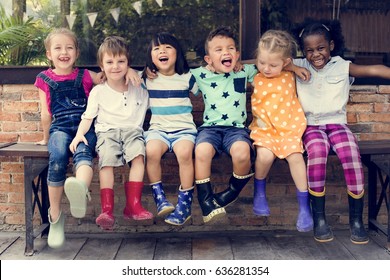
The goal of this curriculum unit is to bring to the forefront the uniqueness of each individual and for the children to embrace their own unique qualities as well as accept the uniqueness of others. “Media literacy is an important part of multicultural education because many people’s conceptions of gender, sexuality, race, ethnicity, and class are constituted in part by the media” (Kellner, 1998, p.109). It’s crucial for young children to be trained in this new media literacy because “critically dissecting cultural materials also empowers students to reflect upon their own commonalities and differences” (Kellner, 1998, p. 107). Through the poem titled ‘I’m Quite Unique’(see Appendix H), the children will be able to express and discuss their own unique qualities and characteristics and that of their friends and classmates as well. This unit will also engage parents through the use of Flipgrid and introduce them to this new learning platform. There will also be discussions about other children at our sister locations and classrooms around the world through Flipgrid’s #GridPals.
Curriculum Areas
Language and Literacy
Suggested Frameworks
TEA
(Texas Education Agency) State Standards:
Phonological
Awareness Skills:
*Children
should be engaged in listening to books, poems, nursery rhymes, and songs that
feature rhyme and alliteration.
ISTE Standards:
3) Knowledge
Constructor
c) Students curate information from digital
resources using a variety of tools and methods
to create collections of artifacts that demonstrate meaningful connections or conclusions.
6) Creative
Communicator
a) Students choose the appropriate platforms and
tools for meeting the desired objectives
of their creation or communication.
3) Global Collaborator
a) Students use digital tools to connect with learners from a variety of backgrounds and cultures, engaging with them in ways that broaden mutual understanding and learning.
Learning Objectives
Students will be able to:
List three things that are unique to them
Relate to the children shown in the poem and
compare themselves with the children
Express what they like about their friends
Vocabulary
Unique, Celebration, Character, Personality
Preparation and Prerequisites
A day or two before this lesson plan, the
teacher will introduce the words unique, character and personality.
The teacher will plan with sister schools or any
other schools in the United States or around the world that might be having discussions
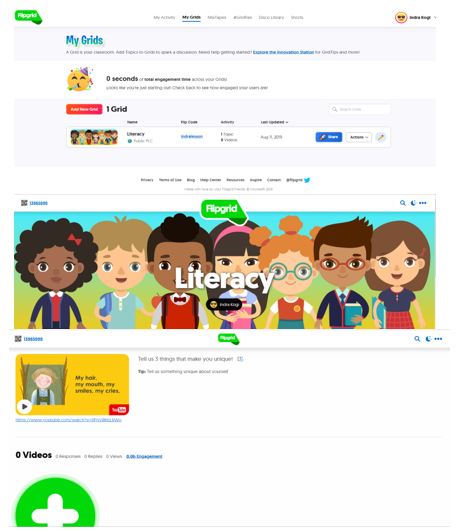
about various cultures to exchange videos on Flipgrid (see Appendix I).
The teacher will e-mail parents to let them know
about the video project a week prior and to have the children bring in one item
representing their culture.
The poem will be played again for the children to view.
The teacher will then pause the video at intervals to ask the children what is unique about each child that is being portrayed and if they notice any similarities to themselves.
The children will then be asked to head to their learning centers (they will be separated into two groups).
They will be asked to draw pictures of themselves with the crayons and pencils.
Then the teacher will ask them what characteristics they like about themselves and their friends.
Teachers will then e-mail the Flipgrid codes (https://flipgrid.com/13965090) to the parents through Tadpoles (software used to communicate with parents about their child’s daily activities). They will ask the parents to record a thirty second video of their child telling three unique things about them that their classmates do not know about. The parents will have one week to submit the recording.
The following week, these recordings will be played for the children to view as well as those from the sister schools or schools around the world.
Ask the children to describe the children they see and if they can relate it back to the children in the poem.
Probe the children to examine if children who look different from them might still have the same characteristics.
Have the children tell about the item they brought in and celebrate everyone’s uniqueness.
Assessment
Formative assessments
After watching the poem, ensure that each child has a chance to verbalize what is unique about the children in the poem. Similarly, at the learning centers, each child must be asked what characteristics they like about themselves and their friends so as to ensure they understand the words ‘unique’ and ‘character’.
Summative
assessments
In the following week, ask the children what they know about being unique and of being of a certain character. Ask them to recall what they saw and heard from the videos from the other children.
The purpose of this lesson is for the children to cultivate a love for reading and to expose them to the different purposes of the internet and its online tools (YouTube for this specific lesson plan). As stated before, many young children are exposed to some type of digital media in their home environment, however, it has been found that their understanding of how the internet works is very minimal. They are unable to recognize that retrieving information or using it as a means of communication was also an aspect of the internet (Dodge, Husain & Duke, 2011). Therefore, they will explore different types of books in their library center and will be introduced to books online as well. They will use and appreciate books and other texts through different medium. The children should be able to retell stories and recount details from theses informational texts. They will also learn how to make connections to the characters in the books to real life scenarios.
Curriculum Areas
Language and Literacy
Suggested Frameworks
TEA (Texas Education Agency)
State Standards:
Motivation
to read skills:
*Child enjoys being read
to and knows when a favorite story has a part left out.
*Child enjoys looking at
books and telling a story from the pictures or from memory.
Comprehension and Text
Read aloud skills:
*Child interacts with a
story as it is being read aloud.
*Child interacts with books
by describing what is seen/read in the book.
*Child asks and answers
age appropriate questions about the book.
ISTE Standards:
3) Knowledge Constructor
c) Students curate information from digital resources using a variety of tools and methods to create collections of artifact that demonstrate meaningful connections or conclusions.
Learning Objectives
Students will be able to:
List
all the animals that they read in the book.
Recall
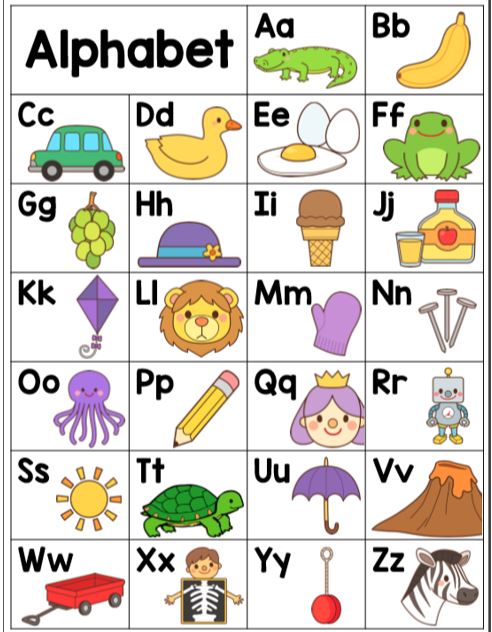
the colors of the animals and the alphabets the name of each animal begin with.
Discuss
how the animals move and compare the movements to their own movements.
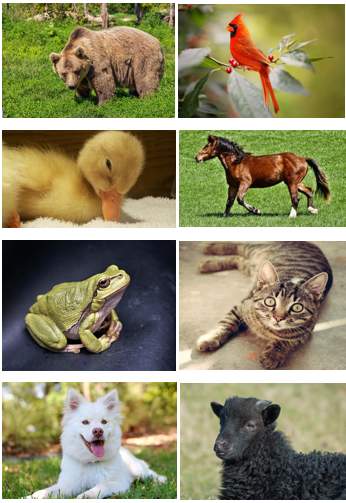
Pictures of the animals from the book (see
Appendix D)
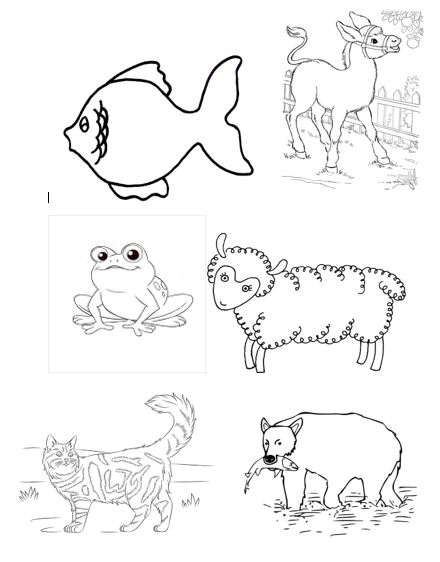
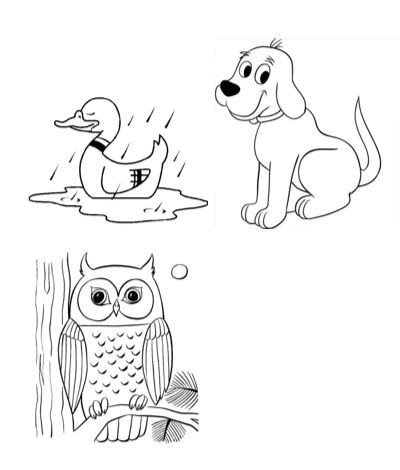
Cutouts of the animals from the book (see
Appendix E)
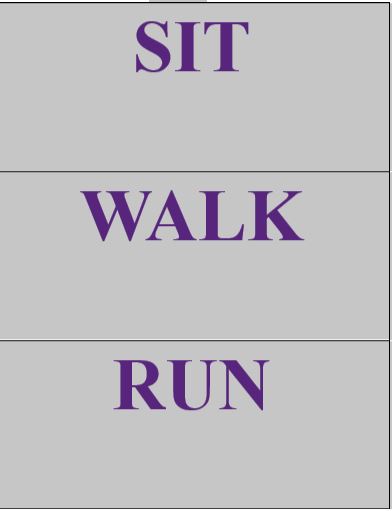
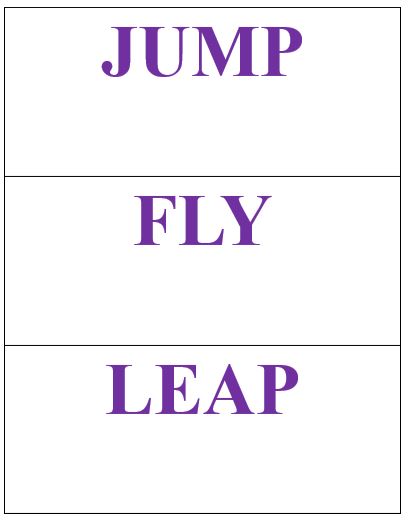
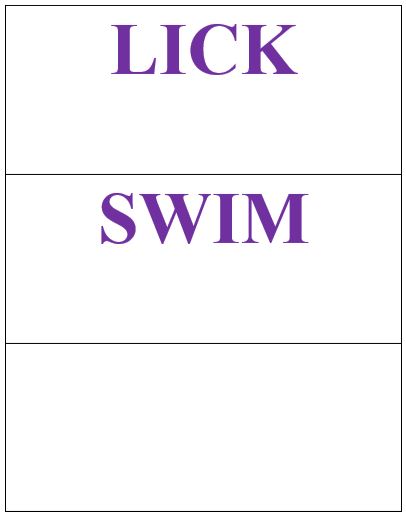
Flash cards of the words: Sit, Walk, Run, Jump,
Leap, Fly, Swim, Lick (see Appendix F)
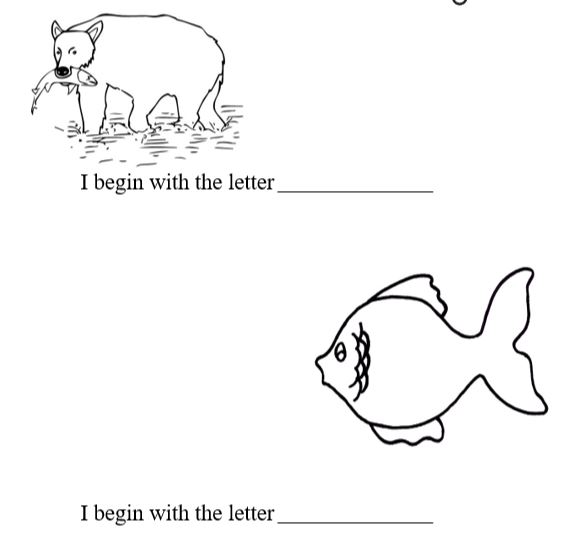
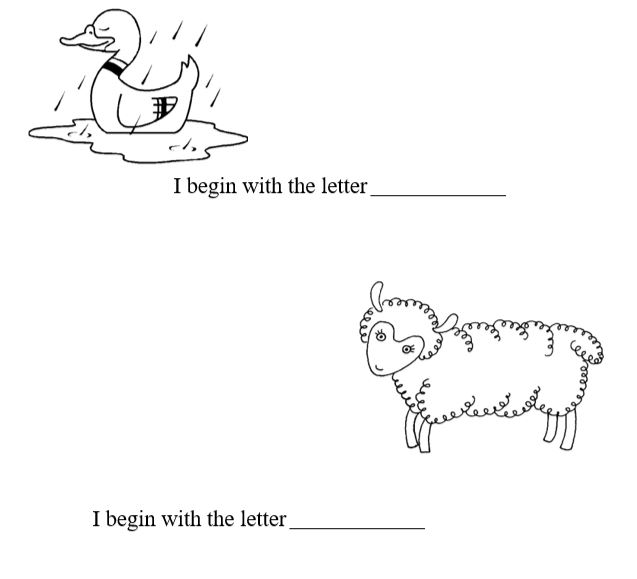
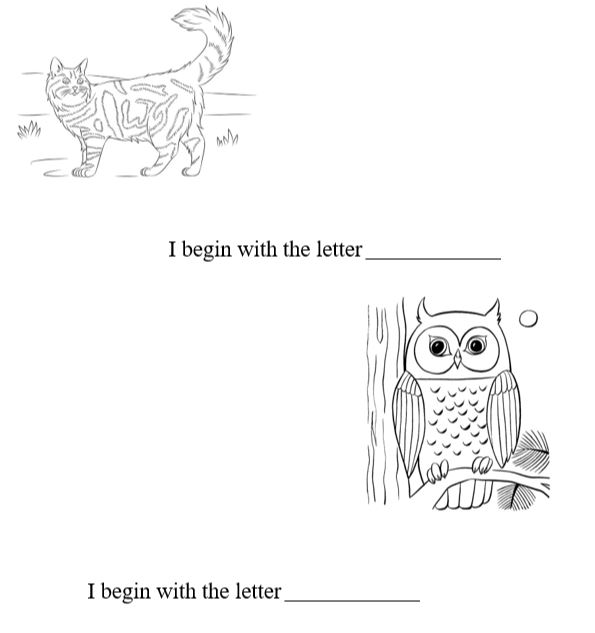
Homework worksheet connecting letters to the
animals (see Appendix G)
Letter magnets
Pencils
General Step-by-Step Procedure
Gather the children on the reading mat and have them sit down. Explain to the children that they will be reading a book two different ways. First by using a physical book and then by ‘reading’ the same book online through music.
Explain that they will be learning about the different animals in the book and the colors and movements portrayed.
Ask them to observe any letters that they may recognize in the book.
Encourage them to observe the picture in each page and anticipate what might happen next.
First read the physical book Brown Bear, Brown Bear, What Do You See? out loud.
Explain to them that the internet is being accessed to look up another version of the book online and that there are different ways to read a book. Then use the tablet to view the YouTube video of Brown Bear, Brown Bear, (text to music with book art) by Timothy Ryan https://www.youtube.com/watch?v=HaDDsT9IAWc
Encourage the children to sing along with the music.
Ask them what they liked about reading from the book and reading the book online.
Introduce the children to the two learning centers they will be participating in:
Letter-sound recognition (Animals): One teacher here will show the pictures of the various animals and have the children sound out what letter they begin with. The children can use the letter magnets for assistance.
Letter-sound recognition (Colors): One teacher here will ask the children to color the pictures of the animal cut outs and ask to sound out the letter the colors begin with. The children can use the letter magnets for assistance.
After completing the activities in the two centers, gather the children back to the reading mat and ask them if the activities were easy or difficult and allow for a brief discussion.
Introduce the following words: Sit, Walk, Run, Jump, Leap, Fly, Swim, Lick using the flash cards.
Ask for student volunteers to demonstrate each of the verbs.
Ask them if they remember which animal performed which action and if each animal can perform more than one action.
As them which movements are similar to what they do in their every day lives and what is different.
Make all the children at the same time dramatize each movement and other actions not portrayed in the book.
Place homework worksheets in each child’s bag for practice.
Assessment
Formative
assessment:
In
their learning centers, check to see if each child is able to sound out the
letters that correspond with the the pictures of the animals and colors. Notate
who is having any difficulty and correct them immidiatley. Check to see if they
are able to comprehend the words ‘Sit, Walk, Run, Jump, Leap, Fly, Swim, Lick’
and mimic the actions.
Summative
assessment:
Provide the children worksheets for homework to write which letter corresponds to the animal they read about in the book. Assess the homework the following week when they are returned.
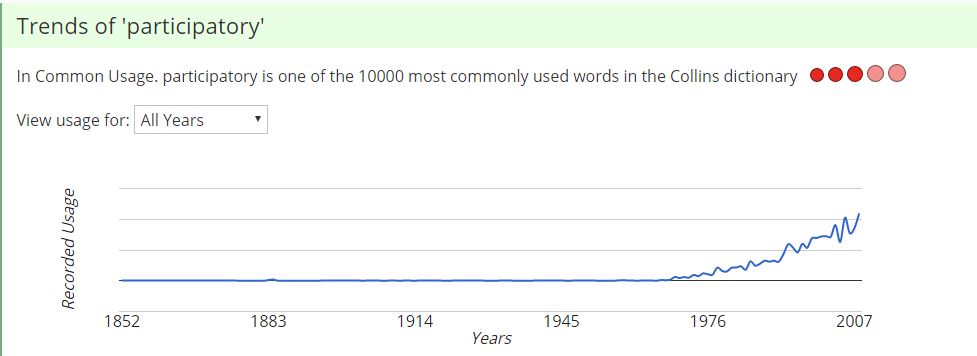
Merriam-Webster dictionary defines participatory as “characterized by or involving participation especially: providing the opportunity for individual participation” (Merriam-Webster, 2019). I was curious to see the history of the use of this word and the graph below clearly aligns with my thoughts on this subject. The use of the word starts to trend in the 1970s. Eminent Sociologist Manuel Castells had observed that the engineering innovations of the internet were accomplished by graduate students and that they were ‘permeated with the values of individual freedom, of independent thinking, and of sharing and co-operating with peers- all the values that characterized the campus culture of the 1960s” (Castells, 2001, p.24). During that same period, the idea of ‘gifting’ was also present in the hacker culture when students in academia and science were able to share code, modify it and re share it (Anderson, 2012). The point I want to make is that this participatory environment has been the bedrock of the internet since its conception. So it may be no surprise the increased use of the word participatory aligns with this explosion of the internet during that period.
Of course participation in media has been around even before the internet like students participating in writing and producing school newspapers. I would however like to focus on digital media here. Let us move forward a few decades. The emergence of Web 2.0 tools has been integral in user generated content (UGC) and participatory culture. Examples include blogs (of course!) and wikis as well as social media platforms. In fact, Time’s 2006 person of the Year was YOU! The cover had a picture of a computer screen and keyboard. The image says it all.
Then-managing editor for the magazine Richard Stengal acknowledged “that largely thanks to the power of the Internet, individuals were wielding power in new and dramatic ways” (Waxman, 2016, p.2). In a sense, it can seem scary that one person may have so much influence over a large part of society, on the other hand, power is not just in the hands of a few select people in society any longer. In this video, cultural anthropologist Mary Ito describes how students of today are engaged in friendship and interest driven participation online. The key is to recognize the difference between the two and how adults and educators not perceive one space as being better than the other. Friendship driven participation teaches students how to navigate the social environment which is a crucial element of growing up. On the other hand, in interest driven participation (which Ito aptly refers to as the “geeking” out or messing around space) it is where some of them become involved in interest groups like fan fiction, creating YouTube videos, podcasts remixes. Activities like these can then lead to community or civic engagement. The question she poses is how adults handle and manage these spaces. The answer is the need to come together to introduce guidelines for both adults and children to be able to interact safely in these spaces. In this clip, Henry Jenkins who is the Director of Comparative Media Studies Program at the Massachusetts Institute of Technology echoes the same sentiment on how educators and parents cannot just leave kids to their own devices in the online world, but that we need to guide them and provide support. Instead of individual teachers attempting to teach participatory media literacy, schools as a whole need to be engaged as well.
Circling back to the concept of ‘gifting’ that I had mentioned earlier, Jenkins also mentions it the context of how kids produce and share media so they can learn from one another. It’s a gift of teaching and learning that they give one another. Where is all this leading? One interesting development is kids becoming more participatory in the political environment. The success of the Obama presidential campaign proves this point. It is evident that then Presidential candidate Barack Obama was very savvy in how his campaign used social media to engage people in political activism. They were able to use media like blogs and videos “to motivate their users and their social networks to involve friends and community members in online or text-based political and social discussion. Once activated, many supporters used these media to create their own politically-focused media content, and enlisted further support by sharing content with their media capable personal networks” (Goodman, Wennerstrom & Springgate, 2011, p.95). This to me is the essence of participatory media. I would like to leave you with this YouTube video of Sarah, a young girl who wanted to express her excitement on watching President Obama give a speech live. Would we not want her to be equipped with tools and knowledge on how to be media literate as she participates in her interests in a safe, thoughtful, positive manner? Shouldn’t we as a society want future generations of children to be informed, involved and responsible digital citizens?As adults, how do we embark on this journey with our kids?
Goodman,
J., Wennerstrom, A., & Springgate, B. (2011). Participatory and social media
to engage youth: from the Obama campaign to public health practice. Ethnicity & Disease, 2(S), 94-99.
Do not confine your children to your own learning, for they were born in a different time-Chinese Proverb
I have been thinking of ways to reach out to other parents who might be in the same boat as me when it comes to technology and children. As my son becomes more exposed to all kinds of media and technology, I see myself becoming helpless and more afraid of what he might stumble upon. My hope with this blog is to connect and help parents like me navigate the digital world more confidently.
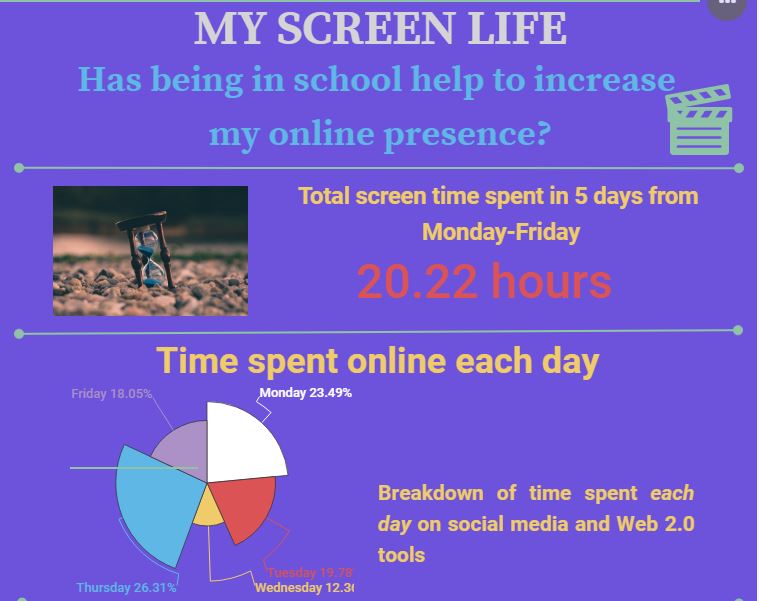
In the spring semester of this year, I had the opportunity to take a class called Social Media and Beyond at Northeastern University (NEU). One of my assignments was to track my social media use for five days which you can view here. Although this only covered a small fraction of the digital and media world, I was surprised at how much time I spent online especially for someone who rarely is on social media platforms. One of the reasons for this is because of privacy fears but that is a discussion for another day. True that I do spend more time online now than before since I started taking classes at NEU due to researching material online. So the twenty hours a day spent on social media does not include other types of media that I watch or read like on the television or books. This does not even include media (billboards and radio) that I am bombarded daily in my daily commute to work or just running errands. And when I return home, again I see media in the form of mailers when I go through our mail. Being surrounded by so much media either through the traditional or digital form, never once did my parents or teachers broach the subject of digital and media literacy. I wish someone did, so I could have been a more critical consumer instead of being a passive one. And not only that, I would have also been able to perhaps appreciate the author’s intent and the reason why that specific medium was used.
My Screen Life
According to the Department of Commerce, ninety-six percent of American workers are exposed to communications technologies and sixty-two percent utilize the internet as part of they daily job responsibilities. This is on top of operating manuals, training materials or books that they have to encounter as well. I wonder how many of them were educated in digital and media literacy. I would venture to say not many. So who should be responsible to teach digital and media literacy skills? It is easy to point the finger at teachers. Who else would know the best way to teach students right? Well it is not easy as it seems. Think about the fact that most children today are already exposed to all sorts of media, digital or otherwise before they even step into pre-kindergarten or pre-school. With many households where both parents are working and juggling family life it is easy to have the television or iPad ‘babysit’ one’s children for a few hours while you cook, clean or pay the bills. And many parents read bedtime stories to young children before going to bed. The last thing on parents minds I bet is how to teach their children to be savvy media consumers. Lucky for them, there are resources out there to assist them as their children navigate this other world. YouTube kids is a popular site the parents allow children to visit and may feel a sense of comfort. However, there have been cases where these videos can quickly turn ugly so arming oneself on ways to protect your children is important.
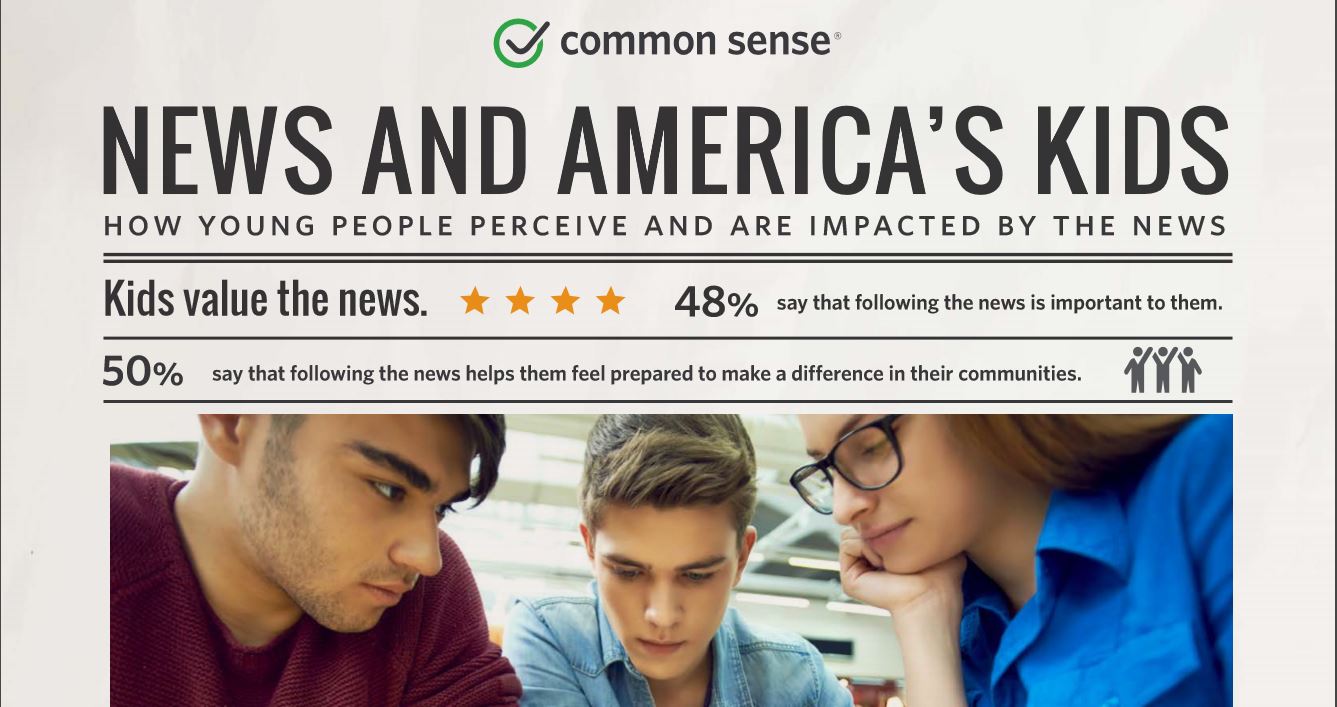
Many of us are exposed to news sources through social media. This infographic shows how consuming news affects children and teens. Fifty percent of them think by following the news, they are able to help their communities. So it is imperative that we teach them how to dissect the news from its source, content and intention. One of my favorite twitter followers is Vicky Davis @coolcatteacher who also blogs and I like her 9 Key Ps to digital citizenship that can help educators and parents alike. Since most children spend a third or more of their day in school, it is incumbent that teachers not be oblivious to what their students are saying or viewing. Staying on top of current events and being a part of your students discussions on what they are seeing or hearing can turn into teachable moments. The challenge for teachers is learning about digital and media literacy skills themselves and having the support of the school administration to take this subject seriously. This toolbox provided by commonsense.org can be a great way to get your feet wet.
Even the United Nations Educational, Scientific, and Cultural Organization (UNESCO) is taking media literacy seriously. They will be having a Global Media and Information Literacy Week in Gothenburg, Sweden in September this year. They are working on developing media and media literacy in eleven countries. There are curriculum that teachers can use as well as courses that individuals can take to educate themselves. Mirta Lourenço, Chief of Media Development and Society at UNESCO notes that, “the media affect our beliefs, our choices and how we live together” and “by encouraging the coverage of local issues and making people be critical in their interactions with media, we can help to build stronger and better-informed democracies.” This perfectly sums up why all of us not just educators should be a part of educating our children and one another in digital and media literacy. The question is how do we signal to everyday folks that the value of being critical, the ability to reflect and the consequence of participation in media digital or otherwise can make a significant difference in their lives.









 Embrace Tech Education for Children